
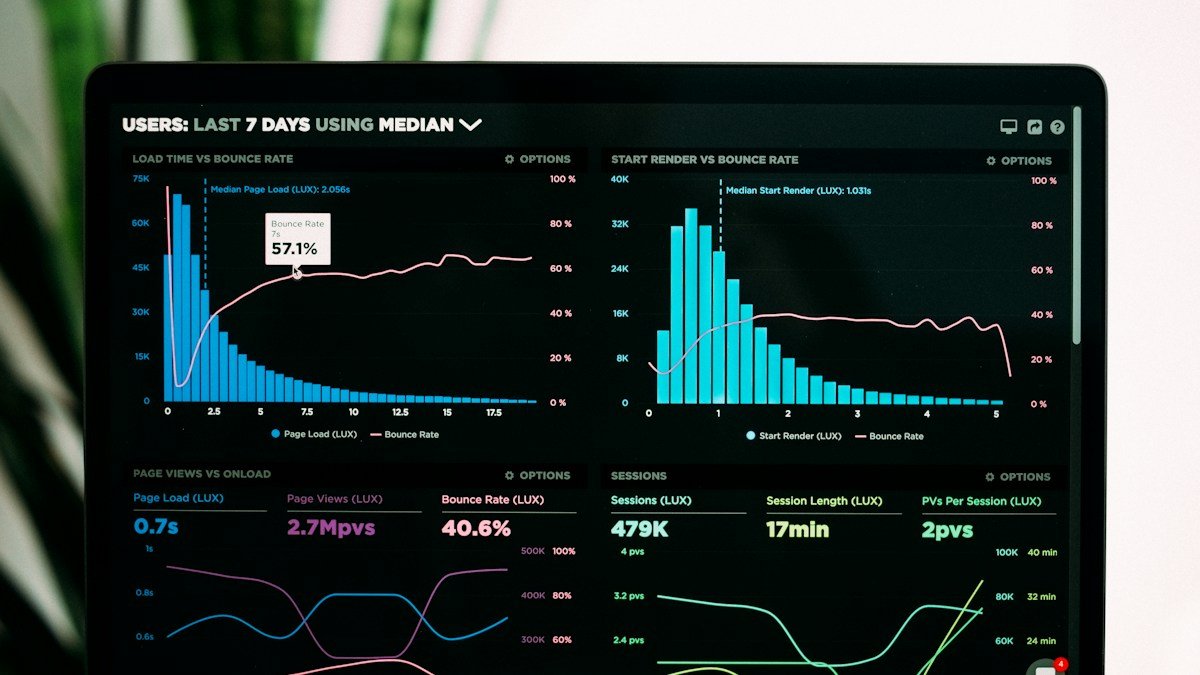
How database indexing, opcode caching, modern image formats, and edge CDN routing deliver lightning-fast web applications that convert higher.
Why Web Speed is a Competitive Advantage
Website performance is not merely a technical vanity metric; it directly determines commercial success, user retention, and search engine ranking prominence. Every second of latency costs conversions, increases server infrastructure costs, and damages brand perception.
1. Database Optimization and Query Indexing
In data-driven web applications, database queries are almost universally the primary bottleneck behind slow Time to First Byte (TTFB). Common architectural fixes include:
- Adding composite indexes to frequently queried columns (e.g. status, created_at, category_id).
- Eliminating the N+1 query problem using eager loading (
with()in ORMs). - Implementing application-level Redis caching for static configurations and frequently requested catalog data.
2. Asset Optimization and Modern Image Pipelines
Images and unoptimized JavaScript bundles represent over 70% of typical page payload sizes. Serving modern WebP and AVIF formats reduces image file size by up to 80% with zero perceptible quality degradation. Furthermore, code-splitting JavaScript assets ensures browsers only load scripts required for the currently active viewport.
3. HTTP/3 and Global Edge CDN Distribution
Deploying your static assets across globally distributed edge nodes (Cloudflare, AWS CloudFront) brings content physically closer to your visitors. Leveraging HTTP/3 and TLS 1.3 reduces round-trip handshake latency, delivering near-instantaneous page transitions.